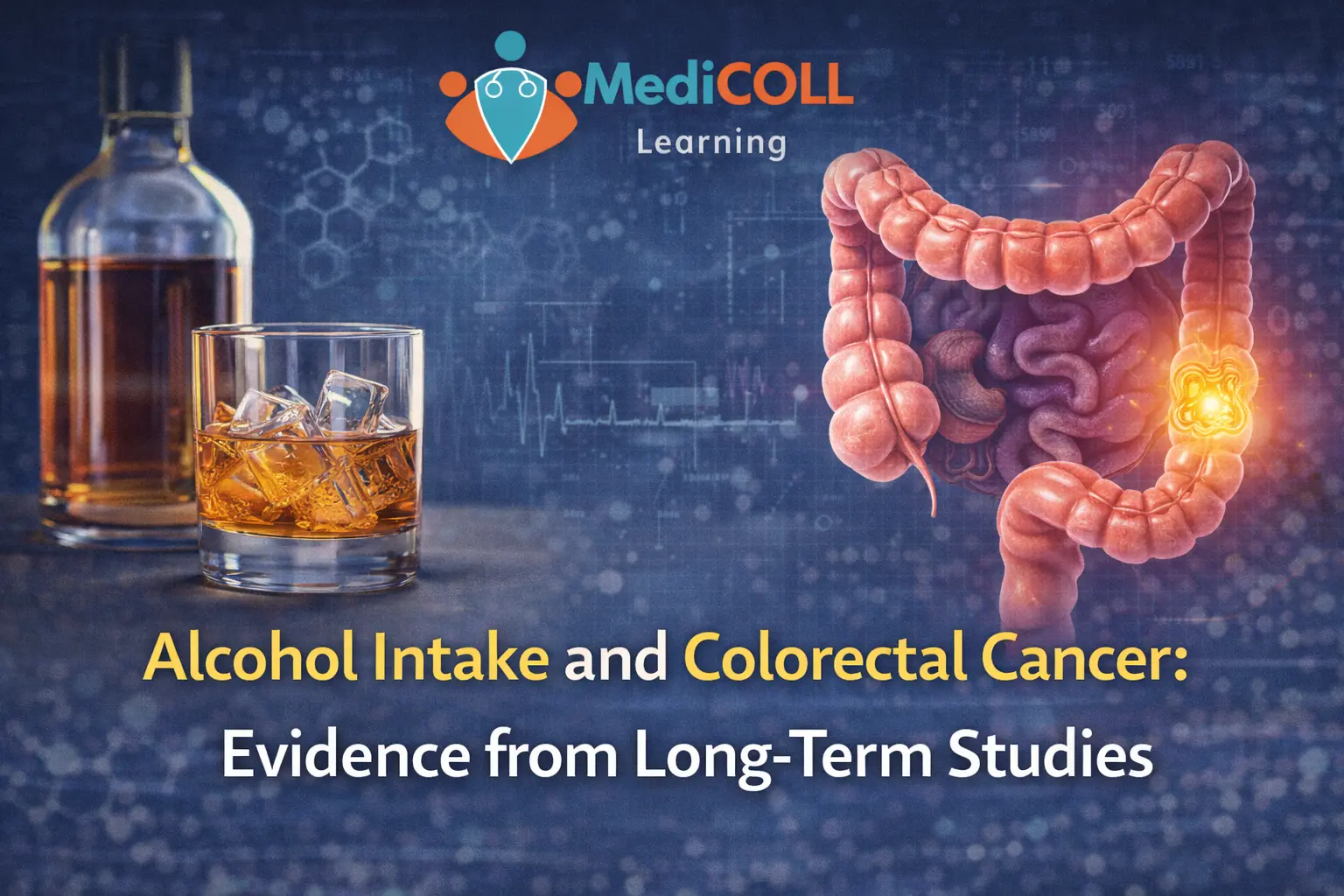
In different countries, researchers have conducted varied studies to investigate the effect of alcohol consumption on the progression of colorectal carcinogenesis. Colorectal cancer exists as one of the most prevalent causes of cancer-related fatalities and disabilities throughout the world.
The occurrence of diseases develops from two factors which include genetic susceptibility and modifiable lifestyle habits. epidemiological studies alcohol cancer and alcohol research show that alcohol consumption patterns determine cancer risk through both total alcohol intake and length of drinking behavior. This understanding of their relationship enables us to develop better methods for disease prevention, early diagnosis and public health improvement.
Scientific evidence links alcohol intake and colorectal cancer because alcohol consumption acts as a carcinogen which creates cellular damage in human bodies. Acetaldehyde which results from alcohol metabolism causes DNA damage while generating mutations and disrupting cellular repair processes.
Long-term alcohol consumption increases intestinal inflammation which leads to the development of abnormal cell growth and tumor formation. The colon cancer risk factors develops from continuous drinking because sustained alcohol exposure carries more danger than infrequent consumption.
Researchers have consistently found in their studies that dose-response alcohol cancer through higher dosage levels. People with more likelihood of colorectal cancer are regular dosers of alcohol and in the habit of binge-drinking.
| Alcohol Consumption Level | Estimated Risk Increase |
| Light (≤1 drink/day) | Slight increase |
| Moderate (1–2 drinks/day) | Moderate increase |
| Heavy (≥3 drinks/day) | Significant increase |
| Long-term heavy use | Highest cumulative risk |
Research studies show that people who consume alcohol throughout their entire lives face higher risk of developing lifetime alcohol exposure colorectal cancer because their total alcohol consumption during their lifetime. The risk of developing cancer increases with long-term consumption of moderate alcohol.
The drinking patterns and cancer risk which people develop together with their alcohol consumption amount determine their cancer risk. Binge drinking leads to high spikes of acetaldehyde, which results in increased DNA damage. People who consume alcohol daily experience extended periods of digestive tract inflammation which lasts throughout the day.
People who start drinking alcohol in their early adulthood and continue drinking for their whole life will develop greater alcohol consumption throughout their lifetime. The combination of these drinking patterns with poor dietary choices creates an increased risk of developing colon cancer risk factors. The body experiences intestinal barrier damage from extended exposure which leads to increased oxidative stress.
We believe that there must be a major gap in the way in which both men and women alcohol intake and colorectal cancer. Men generally consume more alcohol and therefore demonstrate higher incidence rates. However, women may be biologically more sensitive to alcohol’s carcinogenic effects at lower consumption levels.
Age also influences risk. Individuals who sustain drinking habits into middle and older age show increased vulnerability. The interaction between aging cells and chronic alcohol exposure may accelerate abnormal cellular changes.
Alcohol rarely acts alone in raising cancer risk. Lifestyle factors in colorectal cancer include obesity, low fiber consumption, sedentary behavior and smoking and alcohol use. Genetic variations that impact alcohol metabolism increase carcinogenic exposure through the delayed breakdown of acetaldehyde. The research demonstrates that alcohol consumption has severe public health impact of alcohol consumption because multiple dangerous behaviors together increase the likelihood of developing colorectal cancer throughout the world.
Modern research aims to investigate the ways in which alcohol contributes to cancer development at the molecular level. Mechanisms include:
The research findings from epidemiological studies alcohol cancer show that metabolic disorders and immune system disturbances are critical factors that drive cancer development. The two mechanisms show how excessive alcohol consumption over an extended period leads to severe health effects which last for many years.
Mainly the alcohol-related cancer prevention needs a focus on one aspect: alcohol abuse reduction. The experts recommend that people should drink alcohol in moderation while they should completely refrain from binge drinking.
People can decrease their colon cancer risk factors through additional methods which include eating more dietary fiber and keeping their body weight at ideal levels, doing regular exercise, not using tobacco and getting routine colorectal testing. Public health campaigns together with educational programs work to change public behavior which results in decreased cancer rates.
Research establishes a direct connection between alcohol intake to colorectal cancer development which shows a specific relationship between alcohol dosage and cancer risk. Heavy drinking over extended periods increases cancer risk through two factors which include personal lifestyle factors in colorectal cancer and genetic predisposition vulnerabilities. The prevention strategy requires people to reduce their alcohol intake while they develop healthy dietary patterns and undergo continuous health assessments. Education through platforms like MediColl Learning supports awareness and reduces the public health impact.
Yes, occasional drinking possibly may confer a slightly increased risk of developing left colonic colorectal cancer.
Nonelevel of exposure to carcinogens is "acceptable." With primary exposure, the risk is increased.
Alcohol can convert into acetaldehyde which can damage the DNA and support inflammation.
Men may in general be more at risk due to greater exposure, but women too are at risk.
The risk factors for cancer may be numerous and may also include obesity, smoking behavior, and unhealthy eating habits, with alcohol consumption.
The patient needs to follow her present alcohol drinking pattern because she will continue her healthy lifestyle and her regular breast cancer screening and mammogram tests.
© Copyrights Medicoll All rights reserved.