Respiratory medicine is a field of medicine focused on diagnosing and treating diseases of the respiratory tract (lungs and airways). This medical field involves conditions such as asthma, Obstructive Pulmonary Disease (COPD), infections (pneumonia, tuberculosis), sleep disorders, lung cancer, and critical care for respiratory failure. It also includes advanced procedures aimed at improving breathing and lung health. This medical field is also known as pulmonology. Respiratory diseases such as asthma, COPD and tuberculosis are claiming millions of lives every year.
Fellowship in Respiratory Medicine is an excellent opportunity for medical professionals interested in building a career in this field. It is a structured, comprehensive fellowship program designed to develop strong clinical competence in the diagnosis and management of respiratory diseases across diverse healthcare settings. This fellowship offers a blend of core respiratory sciences, evidence-based clinical practice, and the latest advances in pulmonary medicine.
Throughout the Respiratory Medicine Fellowship Program, learners are encouraged to integrate pathophysiology with real-world clinical decision-making, preparing them for independent practice and authoritative roles in respiratory care.
| Feature | Details |
|---|---|
| Program Name | Fellowship in Respiratory Medicine |
| Program Level | Postgraduate Fellowship |
| Duration | 12 Months |
| Learning Mode | Online live classes + clinical training at a multispecialty hospital |
| Eligibility | MBBS / MD / FNB / DNB / Medical residents / Final-year MBBS students / AYUSH practitioners |
| Curriculum Focus | Applied respiratory anatomy, physiology, and pathophysiology; pulmonary function testing and advanced diagnostics; imaging in respiratory medicine (HRCT, PET-CT, ultrasound); obstructive airway diseases, interstitial lung diseases (ILDs), infections, and lung cancer; respiratory failure, ventilation, and ICU care; pulmonary vascular disease, sleep medicine, and systemic involvement; rehabilitation, palliative care, and public health. |
| Training Structure | Expert-led online sessions, case-based learning, and hospital-based clinical training |
| Faculty | Experienced pulmonologists and respiratory medicine specialists with clinical and academic expertise |
| Study Resources | Recorded lectures, case studies, presentations, clinical guidelines, and digital learning modules (SCORM packages) |
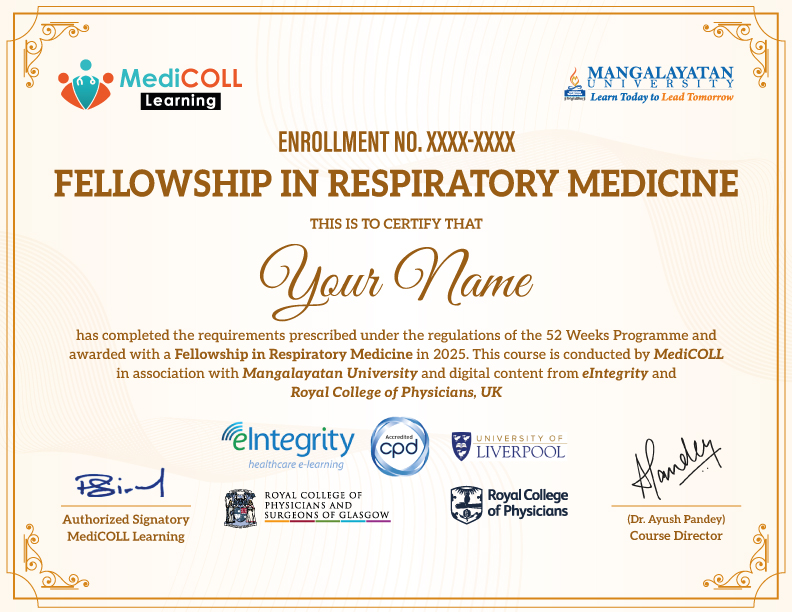
| Certification | Fellowship completion certificate with CPD certification |
| Career Opportunities | Multispecialty hospitals, chest centers, cancer units, intensive care units (ICUs), public health programs, academic institutions, and research organizations. |
| Skill Development | Structured clinical assessment of complex respiratory cases; interpretation of spirometry, ABG, DLCO, sleep studies, and exercise testing; radiological pattern recognition and clinicoradiological correlation; evidence-based disease phenotyping and long-term management planning; non-invasive and invasive ventilation strategy selection and monitoring; integrated multidisciplinary decision-making; chronic disease optimization and end-stage symptom control. |
| Industry Relevance | Designed as per current clinical guidelines and healthcare standards |
| Flexibility | Suitable for working medical professionals |
MediCOLL Learning is an online platform which is dedicated to providing clinically relevant and academically solid medical education. The Fellowship in Respiratory Medicine is curated and delivered by experienced pulmonologists who understand the practical realities of modern healthcare practice.
MediCOLL Learning aims to support healthcare professionals in developing confidence, clarity, and clinical excellence. The fellowship follows a hybrid format, combining online virtual classes with hands-on clinical training in a super-speciality hospital. Participants will receive guidance from leading pulmonologists who bring with them years of experience and wisdom to share throughout the fellowship. By following a hybrid model, the fellowship can help the participating physicians to balance their hectic schedules without interrupting their learning journey.
Respiratory issues often require careful evaluation and long-term follow-up for full recovery. The UK CPD accredited fellowship in Respiratory Medicine is designed for doctors who seek to strengthen their clinical skills in managing respiratory diseases in everyday practice. The program focuses on logical clinical reasoning, patient assessment, and treatment approaches for conditions such as asthma and COPD.
This course functions as an accredited medical fellowship for working doctors, which means it is curated keeping in mind the busy schedule of doctors. The curriculum is structured to be clinically relevant and aligned with current clinical guidelines of respiratory care. It connects theoretical knowledge with real patient scenarios and encourages vigilant stepwise management of the respiratory disorders.
The fellowship supports clinical upskilling for physicians who wish to enhance their knowledge and skills to be able to well manage respiratory patients in daily practice. It helps doctors to stay updated with evolving treatment strategies and improve confidence in handling various lung conditions. The learning format encourages informed clinical decision making and practical application.
On completion, participants receive CPD certification for doctors in Respiratory Medicine. The awarded credit points can be included in professional appraisal records and continuing education documentation. This formal recognition adds credibility and demonstrates commitment to staying current with updated clinical guidelines.
Upon successful completion of the course, learners will be able to:
Once the Fellowship in Respiratory Medicine is successfully completed, doctors have a broad range of career options in clinical and non-clinical roles. Doctors can work in multispecialty hospitals, clinics, chest centers, cancer units and public health programs. Doctors may also find employment opportunities in academic and research institutions if interested in non clinical roles. The fellowship enhances clinical competence, supports career development and creates a strong base for further training and specialization.

First hand Clinical Training: Practical training in real-world settings in a multi speciality hospitals, allowing doctors to apply their knowledge with frontline patient care.
Hybrid Learning Options: The programs offer adaptable schedules to assist working professionals. The learning resources are all designed in line with experts and cover all necessary information.
Global Acknowledgement: Accredited by eIntegrity,CPD,NHS etc ensuring the fellowship is recognized internationally.
Expert Medical Faculty: Sessions led by adept family medicine Clinicians.
Module 1: Applied Anatomy and Physiology of the Respiratory System
Embryology and developmental anatomy, disorders of the lungs
The Pulmonary Circulation- Blood and lymphatic supply of lungs
Respiratory muscle structure and mechanics
Control of breathing and gas exchange mechanisms
Lung compliance, resistance, and ventilation–perfusion relationships
Pulmonary Surfactant and Disorders of Surfactant Homeostasis
Mucociliary Clearance
Sleep and Circadian Rhythms
Module 2: Respiratory Pathophysiology, Basic Sciences and signs and symptoms of patient with respiratory disease
Pulmonary mechanics in obstructive and restrictive disorders
Gas transport and acid-base balance
Lung Immunology- Innate and Adaptive Immunity in the Lung
Immunopathology and inflammatory responses in lung disease
Mechanisms of respiratory failure
Hypoxia and hypercapnia
Approach to the Patient with Respiratory Symptoms
Module 3: Respiratory Function Testing and Diagnostics
Principles of spirometry and interpretation
Lung volumes and diffusing capacity (DLCO)
Bronchial challenge testing
Arterial blood gas analysis and interpretation
Principles and Application of Cardiopulmonary Exercise Testingand 6-minute walk test
Capnography and oximetry
Sleep study overview and indications
Body plethysmography, Impulse oscillometry
Module 4: Imaging in Respiratory Medicine
Chest radiography: interpretation and common patterns
High-resolution CT (HRCT) of the thorax
CT pulmonary angiography and PET-CT
Lung ultrasound and pleural imaging
MRI of the thorax and mediastinum
V/Q scans and nuclear medicine applications
Module 5: Pulmonary Infections
Respiratory Tract Infections: Introduction, Classification
Pneumonia: Overview, Classification, Signs and Symptoms, Diagnosis, Treatment
Community-acquired and hospital-acquired pneumonia, Nosocomial Pneumonia, Including Ventilator-associated Pneumonia
Other Types of Pneumonia- Atypical and viral pneumonias (including COVID-19)
Bronchitis
Bronchiectasis and chronic suppurative lung disease including Lung abscess
Tuberculosis: Epidemiology, Cause and Pathogenesis; Clinical Manifestations and TB Case Histories ; Diagnosis of Tuberculosis ; Treatment of Tuberculosis and Outcome of TB
Pulmonary Diseases Due to Nontuberculous Mycobacteria
Approach to Pulmonary Infection in the Immunocompetent Host and Immunocompromised Host
Principles of Antibiotic Use and the Selection of Empiric Therapy for Pneumonia
Viral Infections of the Lung and Respiratory Tract
Aspiration, and Anaerobic Infections
Aspergillus, Candida, and Other Opportunistic Pulmonary Mycoses
Cryptococcosis and the Endemic Mycoses: Histoplasma, Blastomyces, and Coccidioides
Pneumocystis Pneumonia
Protozoan Infections of the Thorax, Helminthic Diseases of the Lung, Nocardiosis and Actinomycosis, Zoonotic and Environmental Bacterial Pneumonias
Module 6: Obstructive Airway Disorders (Asthma, COPD) including AllergyAsthma
Epidemiology and phenotyping and biology of asthma, Pathophysiology and airway inflammation, Clinical PresentationDiagnostic evaluationand Management
Stepwise pharmacologic management and biologics
Occupational and allergic asthma
Asthma–COPD overlap and comorbidities
Allergic Bronchopulmonary Aspergillosis (Mycosis) and Severe Asthma with Fungal Sensitivity
Chronic Obstructive Pulmonary Disease: Epidemiology, Risk Factors, Pathophysiology
GOLD classification and disease phenotypes, Diagnosis and staging
Course and Pharmacological Treatment of Chronic Obstructive Pulmonary Disease
Cigarette Smoking, Smoking Cessation, and Electronic Cigarettes
Upper Airway Obstruction in Adults
Cystic Fibrosis, Bronchiolitis and Bullous Lung Disease
Module 7: Interstitial Lung Diseases (ILDs)
Interstitial Lung Disease: A Clinical Overview and General Approach
Classification of ILDs (idiopathic, secondary, environmental)
Connective tissue disease–associated ILD
Diagnostic approach: HRCT, BAL, lung biopsy
Management and antifibrotic therapy
Radiation Pneumonitis
Pulmonary Manifestations of the Collagen Vascular Diseases
Pulmonary Langerhans Cell Histiocytosis and Pulmonary Lymphangioleiomyomatosis
Diffuse Cystic Lung Diseases
Benign Metastasizing Leiomyoma
Depositional Lung Disorders: Amyloidosis, Pulmonary Calcification, and Pulmonary Ossification
Module 8: Pulmonary Vascular Diseases
Pulmonary hypertension: classification and pathophysiology
Diagnostic approach and right heart catheterization
Pulmonary embolism: diagnosis and management
Chronic thromboembolic pulmonary hypertension (CTEPH)
Pulmonary Arteriovenous Malformations
Pharmacologic therapies (prostanoids, PDE inhibitors, ERA)
Interventional and surgical management options
Module 9: Pleural Diseases and Disorders of the Mediastinum
Pleural effusion: transudate vs exudate (Malignant and Non-malignant)
Pneumothorax and chylothorax, Haemothorax
Pleurisy, Empyema and pleural infection
Mesothelioma and pleural malignancy
Mediastinal masses and cysts
Module 10: Lung Cancer and Thoracic Malignancies
Epidemiology and risk factors and Lung Cancer Screening
Benign Neoplasms of the Lung
Approach to the Patient with Pulmonary Nodules
The Pathology of Bronchogenic Carcinoma
Clinical Evaluation, Diagnosis, and Staging of Lung Cancer
Diagnostic workup and molecular profiling
Treatment of Non–Small-Cell Lung Cancer: Surgery
Treatment of Non–Small-Cell Lung Cancer: Chemotherapy and Immunotherapy
Treatment of Non–Small-Cell Lung Cancer: Radiation Therapy
Small Cell Lung Cancer: Diagnosis, Treatment, and Natural History
Targeted therapies and novel drugs
Uncommon Tumors of the Lung
Extrapulmonary Syndromes Associated with Lung Tumors
Lymphoproliferative Diseases Involving the Lung
Module 11: Respiratory Failure and Mechanical Ventilation
Types and mechanisms of respiratory failure
Hemodynamic and Respiratory Monitoring in Acute Respiratory Failure
Non-invasive ventilation: principles and indications, Principles of Non-invasive Pressure-targeted Ventilation
Intubation and Upper Airway Management
Invasive ventilation: modes, settings, weaning
Acute Respiratory Distress Syndrome: pathophysiology, Clinical Features, Management,Outcomesand ventilator strategies
ECMO and advanced ventilation techniques
Complications and weaning protocols
Chronic Hypercapnic Respiratory Failure: Pathogenesis and Management
Oxygen Therapy and Toxicity
Module 12: Respiratory Critical Care and ICU Management
Respiratory support and monitoring in ICU
Sepsis and multiorgan failure management
Airway emergencies and tracheostomy care
Sedation, analgesia, and delirium management
Nutrition and infection control in ICU
Ethical issues and end-of-life decisions in ICU
Module 13: Sleep-Disordered Breathing and Hypoventilation Syndromes
Obstructive sleep apnea and central sleep apnea
Sleep-related Hypoventilation Syndromes
Changes in the Cardiorespiratory System During Sleep
Differential Diagnosis and Evaluation of Sleepiness
Diagnostic testing: polysomnography, home testing
CPAP/BiPAP therapy initiation and follow-up
Cardiometabolic consequences of sleep apnea
Compliance and long-term management
Module 14: Respiratory Manifestations of Systemic and Autoimmune Diseases
Pulmonary vasculitis (GPA, EGPA, MPA)
Connective tissue disease–related lung disease
Sarcoidosis and granulomatous disorders
Pulmonary involvement in rheumatoid arthritis and SLE
Eosinophilic lung diseases and hypersensitivity pneumonitis
Immunosuppressive and biologic therapy in autoimmune lung disease
Module 15: Occupational and Environmental Lung Diseases
Occupational Asthma, Byssinosis, and Industrial Bronchitis
Pneumoconiosis (silicosis, asbestosis, coal worker’s pneumoconiosis), Chronic Beryllium Disease and Hard-Metal Lung Diseases
Hypersensitivity pneumonitis from occupational exposure
Toxic inhalation injury and air pollution effects
Thermal Lung Injury and Acute Smoke Inhalation
Biomass fuel exposure and Indoor and Outdoor Air Pollution
Acute and Chronic Responses to Toxic Inhalations
High-Altitude Physiology and Clinical Disorders
Diving Physiology and Dysbarism
Module 16: Respiratory Diseases in Special Populations
Respiratory disorders in pregnancy and Geriatric respiratory diseases
Pediatric and adolescent respiratory issues (overview)
Respiratory management in neuromuscular disorders
Immunocompromised and post-transplant respiratory infections
Non-infectious Pulmonary Complications of Hematopoietic Stem Cell and Solid Organ Transplantation
Pulmonary Complications of Sickle Cell Disease
Pulmonary Complications of Intra-abdominal Disease
Module 17: Pulmonary Rehabilitation and Palliative Care
Principles and goals of pulmonary rehabilitation
Exercise prescription and program design
Nutritional and psychosocial aspects
Long-term oxygen therapy and domiciliary ventilation
Palliative care and symptom control in end-stage disease
Advance care planning and communication skills
Diagnosis and Treatment of Pain, Agitation, and Delirium in the Intensive Care Unit
Module 18: Respiratory Pharmacology and Therapeutics
Pharmacology of bronchodilators and corticosteroids
Antifibrotic and immunomodulatory agents
Antimicrobials used in respiratory infections
Biologic therapies in asthma and ILD
Inhalation devices and drug delivery techniques
Drug interactions and adverse effects
Module 19: Respiratory Epidemiology, Prevention, and Public Health
Global and regional burden of respiratory diseases
Smoking cessation and tobacco control strategies
Vaccination programs (influenza, pneumococcal)
Environmental and occupational health policies
Screening and early detection strategies
Community respiratory health promotion
Module 20: Surgical Aspects of Pulmonary Medicine and Evidence-Based Medicine
Perioperative Respiratory Considerations in the Surgical Patient
Acute Respiratory Failure in the Surgical Patient
Thoracic Trauma
Lung Transplantation
Stem Cells and Respiratory Disease: Prospects for the Future
Personalized Pulmonary Medicine
Module 21: Drug Induced Lung Diseases, Infiltrative, Airspace Disorders and Advanced Topics
Pulmonary Toxicity Related to Systemic Treatments for Cancer
Drug-induced Pulmonary Disease Due to Nonchemotherapeutic Agents
Lung Injury Associated with Recreational Drug Use
Alveolar Hemorrhage Syndromes
Aspiration-Related Pulmonary Disorders
Pulmonary Alveolar Proteinosis Syndrome
Rare and emerging respiratory disorders
Artificial intelligence in chest imaging and diagnostics
Digital health and tele-pulmonology applications
At MediCOLL Learning, we understand the challenges and support required on the journey towards excellence in a medical career. Our mission is to help you enhance your knowledge, sharpen your skills, and build the confidence needed to thrive in the ever-evolving and competitive medical field.
Here’s why choosing MediCOLL Learning can be your stepping stone to success.
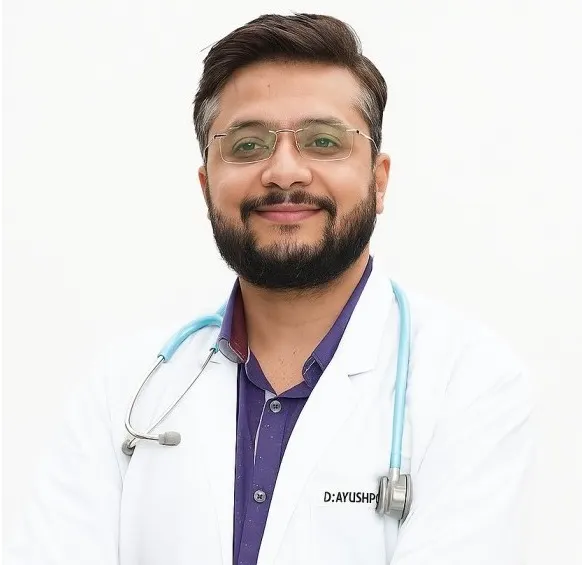
Designation: MBBS, MD, FCCS, FRSPH, EPHM, PGDMLE, FNIV, AASC, FMV, FNCC, FEM, FIM, FPC, PGDS
Dr. Ayush Pandey is a distinguished Consultant in Pulmonary and Critical Care Medicine with over 10 years of extensive clinical experience. A well-known General Physician, Pulmonologist and Allergy Specialist, his expertise covers Respiratory Diseases, Critical Care, Interventional Pulmonology, Allergy, Cardiology, Nephrology, and Neonatal Care. He has completed multiple advanced fellowships and certifications from prestigious institutions, including AAAAI (USA), ACE (India), and the International School of Non-Invasive Ventilation (Spain). Dr. Pandey also holds an Executive Program in Healthcare Management from the Indian Institute of Management, Shillong, and a Post Graduate Diploma in Medical Law & Ethics from the National Law School, Bengaluru. He has authored over 15 research publications, serves on editorial boards of several journals, and has received numerous honors, including the Bharat Gaurav Puraskar, Jewel of India Award, and a PhD (Hon.) in Internal and Respiratory Medicine from Central Christian University, USA.
Read MoreThe Fellowship in Respiratory Medicine program typically spans 12 months, comprising 10 months of theoretical learning and 2 months of hands-on training. It offers a comprehensive curriculum designed to equip participants with the knowledge and skills necessary for excellence in respiratory care.
The program is open to MBBS graduates, MD, DNB, and AYUSH doctors with relevant experience who wish to enhance their skills in respiratory medicine.
Yes, MediCOLL Learning collaborates with reputed global institutions and healthcare partners such as eIntegrity, CPD, RCP, NHS, and Mangalayatan University to offer this fellowship.
Yes, online MCQ-based exams are conducted regularly to ensure learning outcomes are met.
Yes, the hybrid format allows working professionals to manage the online component at their convenience, making it ideal for practicing doctors or those preparing for postgraduate exams.
For any queries, feedback, or suggestions, you can reach out to the MediCOLL Learning support team through our official email, phone number, or support portal provided on the website. A team member will be assigned to assist you.
The online phase includes live and recorded video lectures; case-based discussions; MCQs for evaluation and access to study materials via the Learning Management System (LMS).
Learners receive guidance from academic mentors, doubt-clearing sessions and technical support for the learning platform.
Yes, upon successfully completing both the online coursework and clinical training, you will receive a Fellowship in Respiratory Medicine certificate from MediCOLL Learning.
Yes, international medical graduates (IMGs) are welcome to apply, provided they have an MBBS-equivalent degree and proficiency in English.
© Copyrights Medicoll All rights reserved.