| Blog Summary |
|---|
| Stroke is no longer limited to older adults. Cases among people under 40 and those in their 40s have increased steadily over the past two decades. This blog explores the causes behind this rising trend, the early warning signs that are often overlooked, and the lifestyle changes that can help reduce the risk of stroke through timely awareness and prevention. |
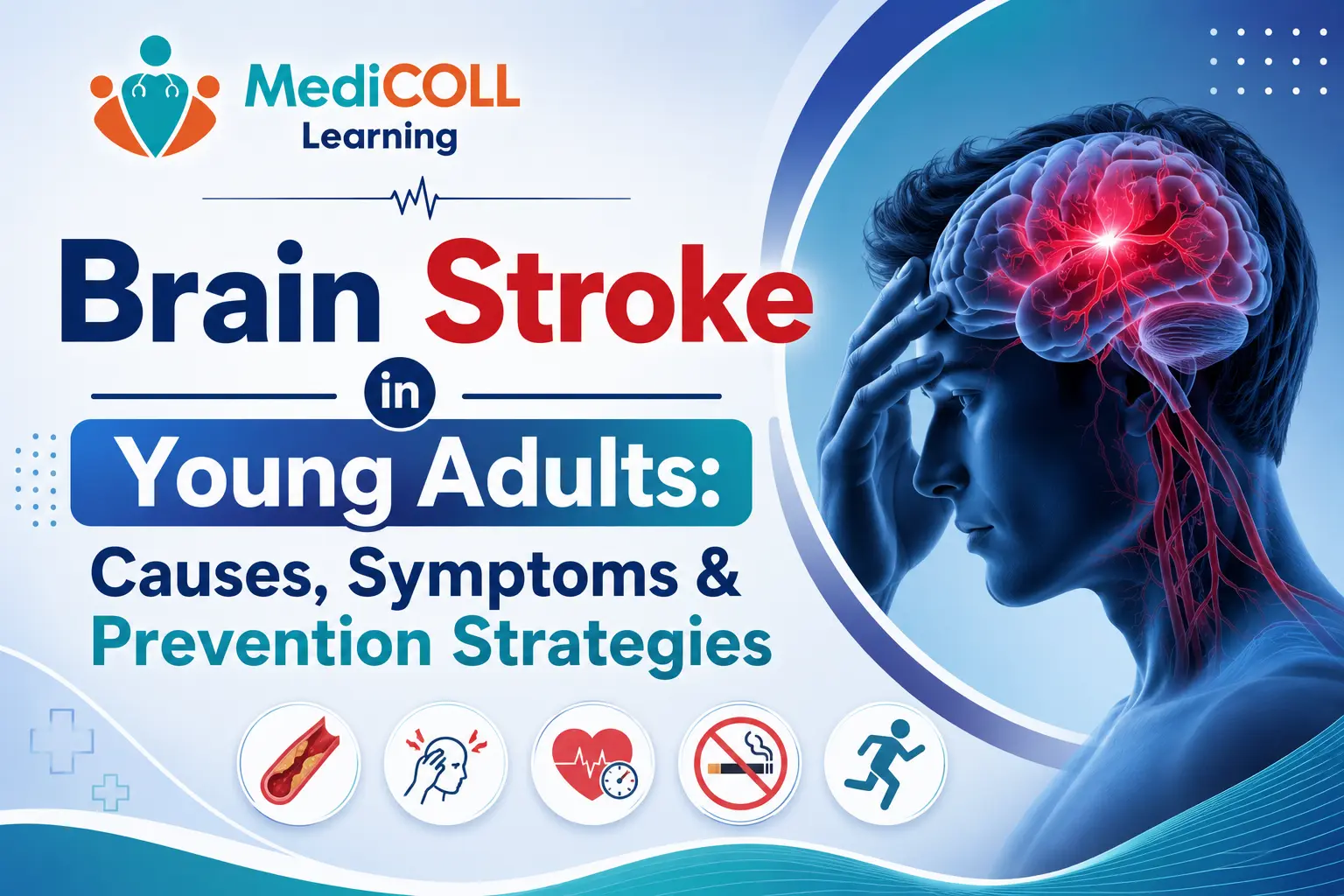
Ask most people to picture someone having a stroke, and they'll probably imagine an elderly person. That picture is changing. Brain stroke in young adults is becoming far more common than most people realise, and doctors across the world are seeing patients in their 20s, 30s, and 40s land in the emergency departments (ED) of the hospitals with classic stroke symptoms. Brain strokes are not rare anymore but a pattern that needs to be recognised early to provide intervention.
The numbers reflect this shift clearly. Roughly 10 to 15 percent of all strokes now happen in adults between 18 and 50, and in some regions the incidence among people under 45 has climbed by double digits over the last decade. Stroke in young adults used to be something textbooks mentioned but not much came across before. But now it is getting common day by day as clinicians are seeing it walk through the door more often than they used to.
Part of this rise ties back to the lifestyle we follow. High blood pressure, diabetes, obesity, and smoking are showing up earlier in life than they did a generation ago. But that's only part of the picture. There are also causes that are not related to weight or diet such as artery dissection, clotting disorders, and heart-related issues that are more specific to younger patients. Understanding the causes of brain stroke in this age group means looking past the usual suspects.
Broadly, a stroke happens either because a blood vessel gets blocked (ischemic stroke) or because one bursts (haemorrhagic stroke). In younger patients, the reasons behind either can look quite different from what's typically seen in older adults.
Cervical artery dissection is a small tear in the wall of an artery in the neck which is one of the more frequent causes in this age group, sometimes triggered by something as ordinary as a sudden neck twist, a hard cough, or even a chiropractic adjustment. Cardiac causes also contribute to this condition. A patent foramen ovale, small heart defects, or irregular rhythms can all send a clot travelling toward the brain. Then there are less obvious contributors such as migraine with aura, certain autoimmune conditions, pregnancy and the weeks right after delivery, and use of oestrogen-based contraceptives, particularly in smokers.
Recreational drug use, especially cocaine and amphetamines, also raises risk sharply, sometimes within hours of use. And increasingly, doctors are flagging traditional risk factors like high cholesterol, hypertension, diabetes which are showing up in patients who are far younger than expected.

One reason young people delay treatment is that they don't associate stroke with their age group. So the symptoms of brain stroke get dismissed as a migraine, dehydration, or stress. That delay costs precious time, because stroke treatment works best within a narrow window.
The early signs of stroke are usually sudden. A drooping face, especially on one side. Sudden weakness or numbness in an arm or leg. Slurred or garbled speech, or trouble finding words. Sudden vision loss or double vision. Loss of balance or a dizzy spell that comes out of nowhere. A severe headache with no obvious cause, particularly if it hits like nothing felt before.
The FAST rule (Face, Arms, Speech, Time) is still the easiest way to remember these. Some hospitals now teach BE-FAST, adding Balance and Eyes to the list, since younger stroke patients often present with dizziness or visual symptoms that FAST alone can miss. Brain stroke symptoms in younger patients sometimes show up before the more classic signs do such as confusion, unusual behaviour, or even seizures.
There are also other risk factors that can cause brain stroke. Migraine with aura roughly doubles stroke risk in women, and that risk climbs further with smoking or oral contraceptive use. Pregnancy and the postpartum period bring a temporarily higher risk too, mostly tied to changes in clotting and blood pressure. Certain infections, chronic inflammation, and even untreated cancer can quietly raise the odds.
Family history is another factor that deserves attention. A parent or sibling who had a stroke at a young age is a signal worth mentioning to a doctor, since it may point to an inherited clotting disorder or a rare genetic condition. None of this means every young person needs extensive genetic testing, most people don't. But it does mean risk factors shouldn't be dismissed just because someone looks and feels healthy.
The good news is that most stroke risk is modifiable. Stroke prevention rarely requires dramatic lifestyle modifications; consistency matters more than intensity. Getting blood pressure, blood sugar, and cholesterol checked regularly is a good starting point, especially since many young adults skip routine checkups altogether because they feel fine.
Lifestyle changes to prevent stroke don't need to be complicated. Quitting smoking, including vaping, is one of the highest-impact changes a person can make. Cutting back on alcohol and avoiding recreational drugs can also aid in prevention. Regular movement, even 30 minutes of walking most days, can help keep blood pressure and weight in check. A diet built around vegetables, whole grains, and healthy fats, like the Mediterranean pattern, has consistently shown benefit for heart and brain health alike.
Sleep and stress deserve mention too, since both affect blood pressure over time, and poor sleep in particular is often overlooked as a stroke risk factor.
Preventing stroke at a young age also means paying attention to specific situations. Women with migraine and aura should discuss contraceptive choices with their doctor. Additionally, anyone with a family history of early stroke should bring it up at their next checkup rather than waiting for symptoms.
Stroke in people under 40 is often missed in emergency settings simply because it isn't expected. If you or someone around you shows any FAST or BE-FAST symptoms, don't wait to see if it passes. Note the time symptoms started and call emergency services right away. Even symptoms that resolve on their own. Sometimes a mini-stroke, or Transient Ischemic Attack (TIA), which causes a temporary drop in blood supply to part of the brain, needs urgent evaluation too, since it often comes before a major stroke.
Stroke in young adults accounts for 10 to 15 percent of all stroke cases, and that share has been rising steadily over recent years. The causes are often different from what shows up in older patients, the symptoms can be easy to brush off, and the risk factors aren't always the obvious ones. But most of this condition is manageable through awareness, regular checkups, and a handful of lifestyle changes that add up over time. Knowing the signs and acting fast can make a meaningful difference.
Brain stroke in young adults occurs in the age from 18 to 50 years. It is caused when blood flow to the brain is suddenly interrupted or reduced, leading to ischemic (blocked vessel) or haemorrhagic (burst vessel) events.
Common symptoms include facial drooping, arm weakness, and speech difficulty. Young adults experience the same core warning signs as older individuals, though they are frequently misdiagnosed due to their age.
Less common symptoms of brain stroke include severe sudden headache, dizziness or vertigo, confusion or behavioural changes and seizures.
A brain stroke can be prevented in young adults by adopting a healthy lifestyle such as choosing fresh fruits and vegetables, maintaining a healthy weight, regular exercising, and avoiding harmful habits such as smoking and alcohol.
Brain strokes are on the rise in young adults largely due to lifestyle changes, including poor diet, smoking, alcohol use, and reduced physical activity, along with comorbidities such as high blood pressure, diabetes, high cholesterol, and obesity.
© Copyrights Medicoll All rights reserved.