| Blog Summary |
|---|
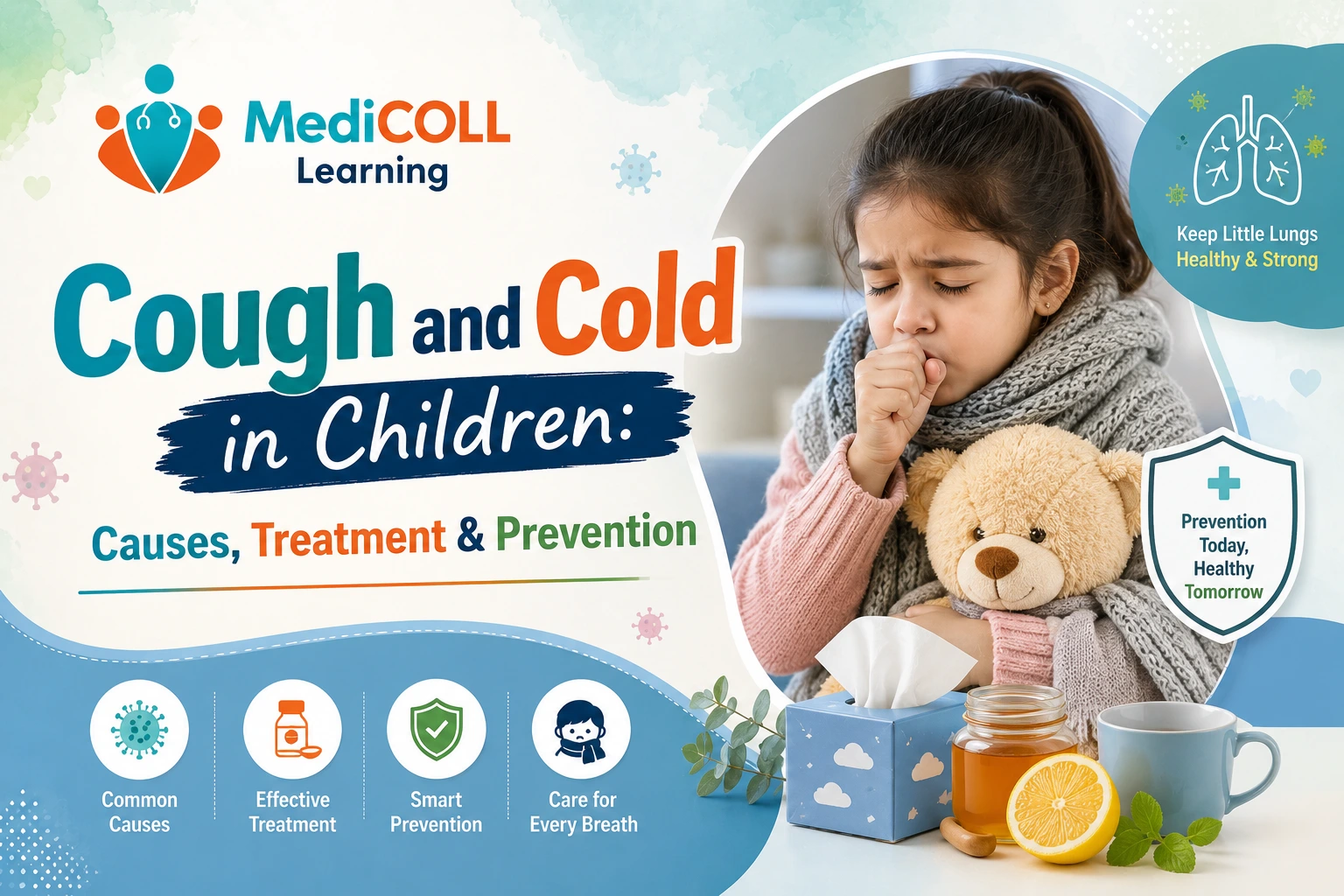
| Common cold in children is something almost every parent deals with multiple times in a year. Most cases resolve on their own, but knowing what to look for, how to manage symptoms at home, and when to seek medical help makes a real difference for the child and those caring for them. This blog covers what parents and clinicians need to know about managing cough and cold. |
Cough and cold in children are far more common than in adults. On average, a child has five to eight colds in a year. Younger children, especially those in daycare or school settings, can have even more frequent episodes . This is mainly because their immune systems are still developing and they have not yet built immunity against the hundreds of viruses that cause respiratory infections.
Cold is caused by viruses, not bacteria. This is an important distinction because it directly influences how the condition should be managed. Most cases are self-limiting and get better within one to two weeks without any specific treatment. The challenge for parents and caregivers is knowing when home management is enough and when to seek medical help.
The causes of cough and cold in children are closely tied to how their immune systems work. Adults have built up immunity as they have been exposed to many viruses over the years. However, young children encounter most of these viruses for the first time. Each new exposure is a new infection their body has to fight.
Viral cough in children is also more frequent because of the environments children spend most time in. Classrooms, daycare centres and play areas bring children into close contact with each other. Children also tend to touch their faces frequently, share toys, and do not consistently wash their hands, all of which make it easier for viruses to spread from one child to another. Over 200 different viruses can cause the common cold, with rhinovirus being the most common.

The symptoms of cough and cold in kids tend to appear in stages. In the first one to three days, a child may develop a sore throat, runny nose, sneezing and a mild cough. These early symptoms are sometimes mistaken for allergies. As the illness progresses through days four to seven, symptoms typically worsen. The child may develop body aches, headache, and increased nasal discharge.
Fever cough and cold in children often go together. Fever is more common in younger children and can sometimes be the first sign that something is wrong. A mild fever is the body's natural response to infection and does not always require treatment. However, a high or persistent fever, difficulty breathing, ear pain, or symptoms lasting more than ten days need immediate medical attention. These symptoms could point to a secondary bacterial infection or a serious underlying condition which may need further evaluation.
Understanding the type of cough helps in deciding the right course of management. Cough is broadly classified based on duration and quality.
Based on duration,
Other recognisable patterns include a barking cough which is typical of croup, and a paroxysmal whooping cough which suggests pertussis. Identifying the cough type early helps clinicians narrow down the cause and avoid unnecessary treatment.
Knowing how to treat cough and cold in children at home is enough for most children with a mild to moderate illness. The focus should be on keeping the child comfortable, well hydrated, and rested.
Fluids are the most important part of home management. Encourage the child to drink water frequently. Warm fluids like soups and warm water with lemon can help soothe a sore throat and thin mucus. Honey is a well-supported cough remedy for children above one year of age. Studies suggest honey can reduce coughing and improve sleep during respiratory infections. However, it should never be given to infants under twelve months due to the risk of infant botulism.
Saline nasal drops are one of the most practical cold and cough remedies for children, particularly for younger children and infants who cannot blow their nose. Saline loosens dried mucus and relieves nasal congestion.
A bulb syringe or nasal aspirator can be used to gently suction out the loosened mucus after the drops are applied. A humidifier in the room can also help to ease a stuffy nose and dry cough by keeping the air moist. If the child has a high temperature and is clearly uncomfortable, children's paracetamol or ibuprofen can be given at the recommended dose.
Parents often reach for cough medicine for children at the first sign of illness. However, the evidence does not support routine use of over the counter cough and cold medicines in young children. Children under six should not be given over the counter cough and cold remedies, including decongestants, unless specifically advised by a clinician.
The best treatment for child cough and cold caused by a virus is supportive care, not antibiotics. Antibiotics are not effective against viral infections and their unnecessary use contributes to antibiotic resistance. They are only indicated when a bacterial complication is confirmed, such as a bacterial ear infection or pneumonia. Antihistamines and bronchodilators are also not recommended for routine acute cough without a specific indication. When a child is above two years and has allergic rhinitis causing cough, intranasal steroids may help. Any medication decision should be made in consultation with a clinician.
Most cases of cough and cold in children resolve without medical intervention. However, certain signs should prompt an immediate visit to a doctor or emergency department.
Take the child to a doctor if they have a symptoms like:
In infants, any fever needs urgent medical attention.
Care givers should rush to the emergency department if the child is having one of these symptoms:
These are signs that cough in children may have progressed to something more serious like pneumonia or croup requiring urgent treatment.
The prevention of cough and cold in children is not always possible. However the frequency and severity of the cold and cough can be reduced through consistent habits. The combination of good hygiene, adequate nutrition, sufficient sleep, and timely vaccination can help children to stay healthy. Some of the measures which can help in keeping the child healthy are mentioned below:
© Copyrights Medicoll All rights reserved.