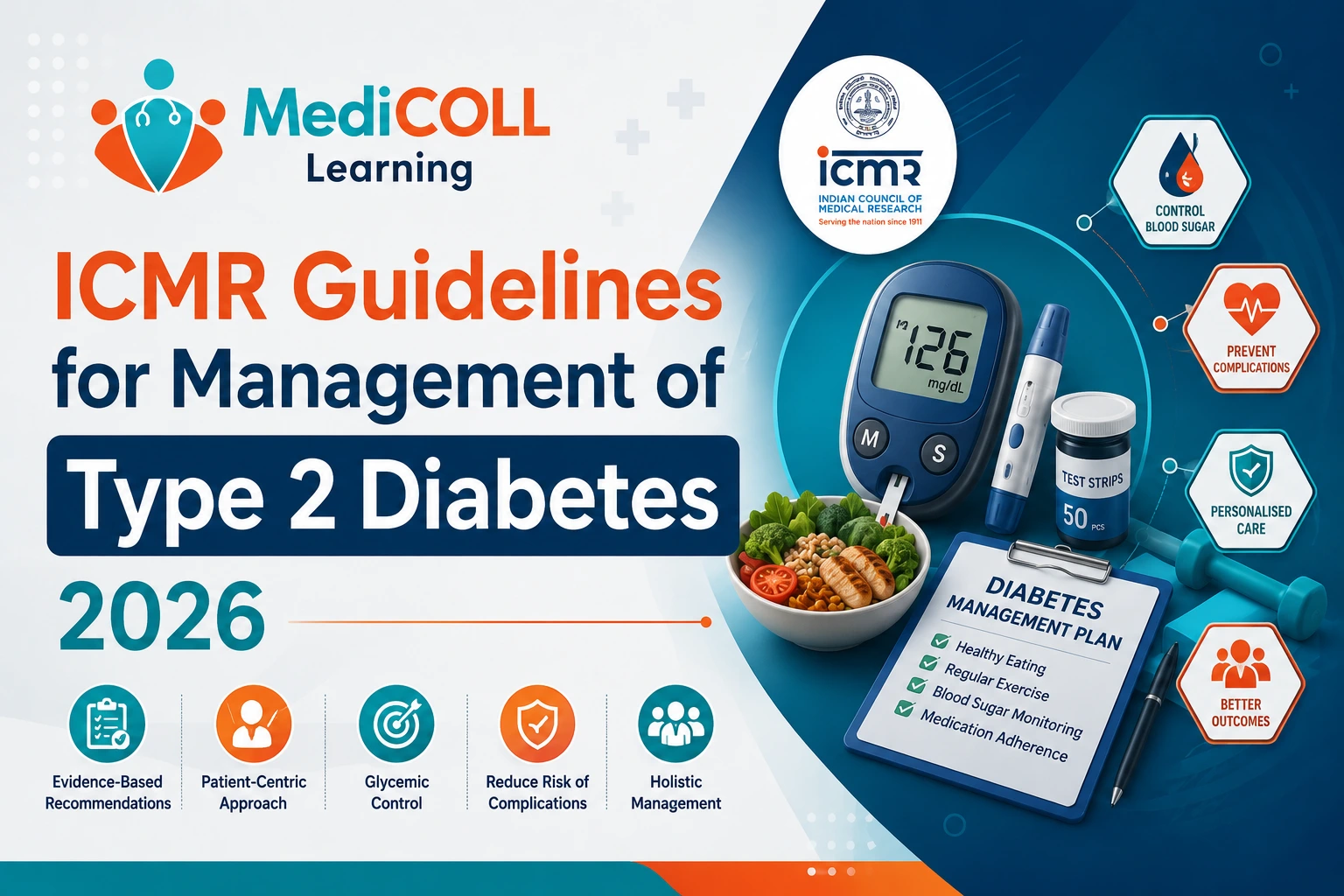
India has one of the heaviest diabetes burdens in the world and the number keeps increasing every day. Factors like urbanization, food habits modifications, physical inactivity, and genetic susceptibility have all played a role in the rising of this chronic metabolic disease. The important thing to consider is type 2 diabetes in Indians does not follow the same pattern seen in Western populations.
The type 2 diabetes management guidelines recognize the difference in the Indian population clearly. Indians develop diabetes at least a decade earlier even with lower body weights. The Asian Indian phenotype refers to a pattern common in South Asians where higher insulin resistance, more visceral fat, lower HDL, and higher triglycerides are seen even in people who appear lean by standard measures.
This is why the diabetes management guidelines are built specifically around the Indian population. Generic international recommendations do not capture these realities well enough. The ICMR guidelines diabetes framework addresses the Indian context directly, making it more relevant and more useful for clinicians working here every day.
1. Who Needs to Be Screened?
2. How Is Type 2 Diabetes Diagnosed?
3. What Are the Treatment Targets?
4. Lifestyle Changes Come First
5. When Medication Is Needed
6. Watching for Complications
7. Diabetes in Pregnancy
8. What the Guidelines Get Right
9. Conclusion
Screening for diabetes should begin at age 30 for all individuals. Indians develop type 2 diabetes younger than most other ethnic groups, which is why waiting until 40 or 45 misses a critical window. Type 2 diabetes management in India starts with identifying this metabolic disease early before complications start appearing.
Some individuals might also need screening before 30 years of age. People with a family history of diabetes, a BMI of 23 or above, high blood pressure, abnormal lipids, or a sedentary lifestyle should be screened early. Women with polycystic ovarian syndrome, a history of gestational diabetes, or who have delivered a baby weighing more than 3.5 kg are also at higher risk.
Screening can be done using blood tests like fasting plasma glucose (FPG), random plasma glucose, an oral glucose tolerance test (OGTT), or Hemoglobin A1c (HbA1c). Normal results should be retested every three years. Prediabetes warrants annual testing and immediate lifestyle intervention for the individuals.
The ICMR diabetes guidelines define diagnosis based on one of the following criteria:
Any single abnormal result needs confirmation on a separate day, except when random glucose is high with clear symptoms present. One test alone is not enough to diagnose the disease. The ICMR guidelines diabetes framework also defines prediabetes.
Prediabetes is a warning sign that significantly increases the risk of developing Type 2 diabetes, heart disease, and stroke. However, the important thing is that it is often reversible and identifying it early gives a real opportunity to prevent or delay diabetes. Impaired fasting glucose falls between 110 and 125 mg/dl by WHO criteria. Impaired glucose tolerance is a two hour post load value between 140 and 199 mg/dl.

Managing type 2 diabetes is not a one size fits all approach. According to the type 2 diabetes treatment guidelines, factors like age, duration of diabetes, presence of complications, and overall health condition play a role in deciding what targets are appropriate for each patient.
The general targets are:
Tight control matters most in younger patients and in the early years of the disease. In older patients or those with established complications, targets should be adjusted carefully based on the individual situation.
Read Also: NMC vs MCI: What Every Medical Student & Doctor Must Know
Type 2 diabetes management in India, as outlined in the guidelines, places lifestyle modification at the base of all treatment. Diet, physical activity, and behavior change are the foundation of treatment after which medication follows.
Diet should be individualized and practical. It should be close to what the patient already eats, just modified appropriately. Carbohydrates should make up 55 to 60 percent of total energy from whole grains, pulses, and low glycemic index foods. Proteins should contribute 12 to 15 percent, preferably from plant sources.
Fats should stay within 20 to 30 percent of total intake. Better quality oils like mustard and rice bran are preferred. Six small meals spread throughout the day work better than three large ones. Fruit juices should be avoided. Salt intake should stay below 5 grams per day.
Physical activity is equally important in diabetes management. At least 150 minutes of aerobic exercise per week is recommended, with resistance training at least twice a week. Exercise improves insulin sensitivity, supports weight management, and reduces cardiovascular risk.
Yoga has also shown benefits in glycemic control and blood pressure and is encouraged as part of overall management. Tobacco in any form must be stopped completely and alcohol is best avoided entirely.
The ICMR diabetes treatment protocol follows a clear step by step approach. Most patients will need medication alongside lifestyle modifications. Most patients start their treatment journey with Metformin.
It reduces glucose production in the liver and improves insulin sensitivity in peripheral tissues. It is affordable, effective, and associated with modest weight loss. Treatment begins at 500 mg after meals and is increased gradually up to 2500 mg per day. It should not be used in significant kidney disease, liver failure, or conditions causing low oxygen levels in the body.
The type 2 diabetes treatment guidelines recommend adding a second agent when metformin alone is not enough. Preferred options include sulphonylureas, DPP-4 inhibitors, and SGLT-2 inhibitors. Sulphonylureas are effective and inexpensive but carry a risk of hypoglycemia and weight gain.
DPP-4 inhibitors are weight neutral with a lower hypoglycemia risk. SGLT-2 inhibitors help with weight and blood pressure in addition to glucose lowering. It has shown cardiovascular benefits, though genital infections are a known side effect.
The latest diabetes guidelines prioritise that insulin should not be delayed when the parameters show immediate requirement. It is indicated from the start when fasting glucose is above 270 mg/dl, HbA1c is above 9%, or symptoms are significant. It is also used during pregnancy, serious illness, surgery, and when oral agents fail or are not suitable.
Read Also: MD vs MS vs DNB: Eligibility, Differences, Scope & Salary & Which is Better?
Uncontrolled diabetes affects organs like eyes, kidneys, nerves, and feet over time. The ICMR Type 2 diabetes guidelines recommend annual screening for retinopathy, nephropathy, neuropathy, and peripheral vascular disease. Retinal examination should begin at diagnosis in type 2 diabetes. Ninety percent of blindness from diabetic retinopathy is preventable with early detection and timely treatment.
Kidney function should be assessed regularly through urine albumin, serum creatinine, and eGFR. ACE inhibitors or ARBs are the treatment of choice when hypertension accompanies kidney disease. Routine foot examination should be done at every clinic visit and patients should be educated on foot care and signs to look out for. Most diabetic foot complications are preventable with consistent attention and early action.
The type 2 diabetes care guidelines address pregnancy as a separate area that needs to be handled differently. All pregnant women in India should be screened for gestational diabetes at the first antenatal visit.
Screening between 24 and 28 weeks using a 75g oral glucose tolerance test is standard, following International Association of Diabetes and Pregnancy Study Groups (IADPSG) criteria. Gestational Diabetes Mellitus (GDM) is confirmed if fasting glucose is 92 mg/dl or above, one hour value is 180 mg/dl or above, or two hour value is 153 mg/dl or above.
Lifestyle changes are initiated first but most women will need insulin. Oral agents are generally avoided during pregnancy. After delivery, an OGTT at six to eight weeks is needed to reassess glucose status as women with GDM have a 50 to 70 percent chance of developing type 2 diabetes within ten years. This makes post delivery follow up important.
The ICMR Type 2 diabetes guidelines aim to standardize patient care, improve clinical outcomes and integrate diabetes care into the public health system. The framework adopts globally accepted diagnostic thresholds but focuses on their relevance to Indian populations. Lower BMI thresholds, earlier screening age, recognition of the Asian Indian phenotype are the steps that could help in reducing the incidence of diabetes.
Type 2 diabetes care guidelines from ICMR are one of the most relevant references available today for diabetes management in India. They are grounded in Indian data, practical in their approach, and thorough in their scope. Clinicians who follow these guidelines consistently are better placed to manage diabetes effectively and improve outcomes for their patients.
India is currently called the diabetes capital of the world with over 100 millions living with diabetes burdens and additional 136 million with prediabetes which makes it most affected globally. Managing diabetes mellitus well requires more than just prescribing medication. The ICMR diabetes guidelines give clinicians a structured, India-specific framework covering screening, diagnosis, treatment, and complication management.
© Copyrights Medicoll All rights reserved.