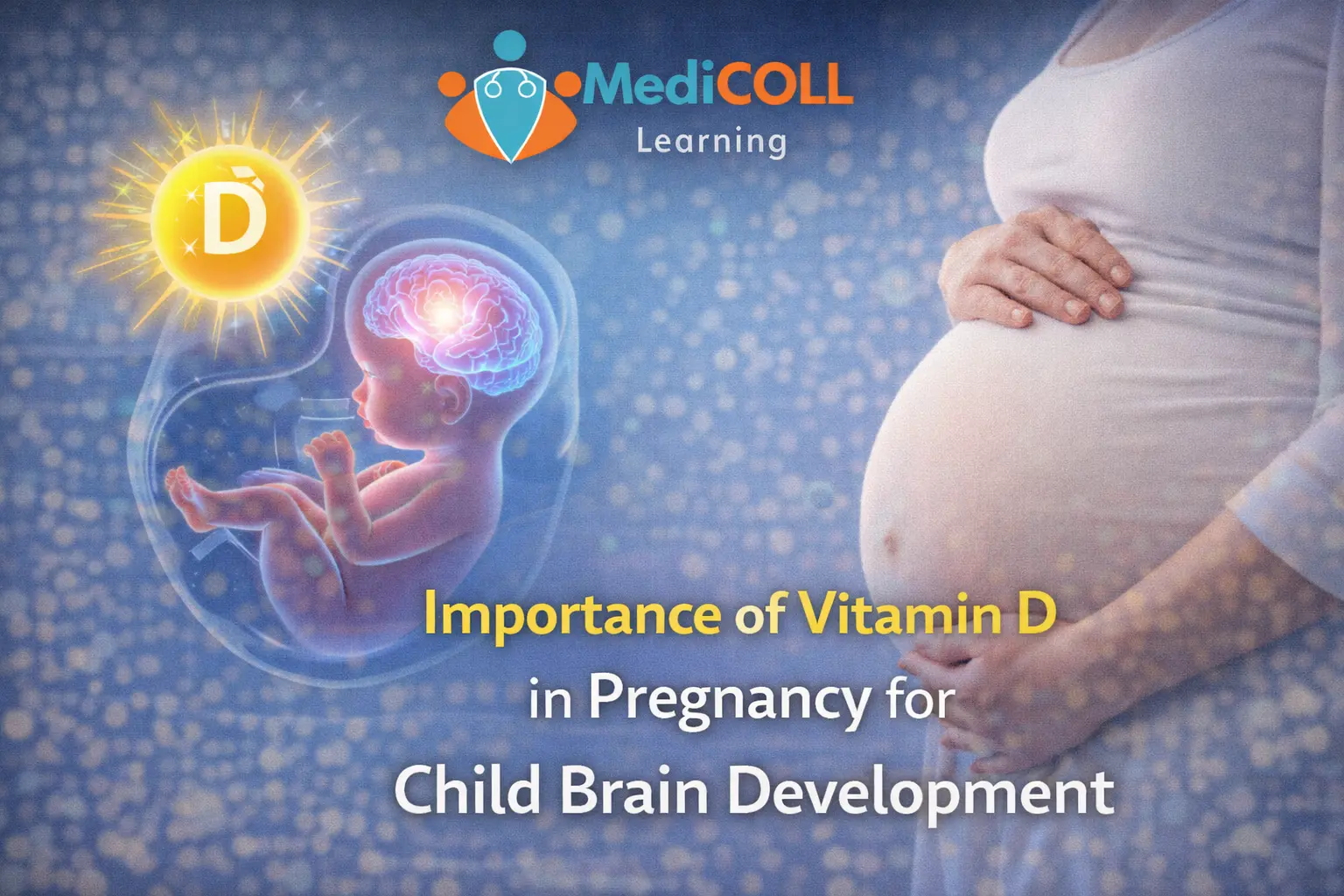
The duration of pregnancy serves as a critical window which establishes the future health outcomes for a child. The rising acknowledgment of vitamin D as a vital nutrient for pregnant women developed from its critical function in brain development and cognitive abilities which create lasting impacts.
The human body requires adequate vitamin D levels because this nutrient provides essential support for maintaining bone health. It also influences the vitamin D and fetal brain development, immune system progress and vaccine reaction, neural development.
The body uses vitamin D as a hormone which controls essential processes that lead to cell growth, cell development. The process of pregnancy requires vitamin D because it helps with the formation of neurons and the building of synapses, the development of brain tissue.
Research demonstrates that optimal maternal vitamin D levels lead to better cognitive development in children which results in improved memory and attention, problem-solving abilities throughout their lives. Maternal nutritional practices themselves, their direct influence on the processes that brain development undergoes during early childhood are highlighted in the paper.
The fetal brain develops rapidly throughout pregnancy, especially during:
| Trimester | Brain Development Milestones | Role of Vitamin D |
| First Trimester | Neural tube formation and early brain structure | Supports cell differentiation |
| Second Trimester | Rapid neuron multiplication and migration | Aids neuron growth and protection |
| Third Trimester | Synapse formation and connectivity | Enhances brain signaling pathways |
The necessary life events in order to ensure optimal neural architecture, functional development are each supported with good pregnancy nutrition and brain growth.
Various studies prove that maternal vitamin D levels affect the cognitive abilities of their children. The research demonstrates that pregnant women with insufficient vitamin D levels face language development difficulties which result in lower IQ scores and behavior control challenges during their entire childhood period.
The association between maternal nutrition and child intelligence emphasizes the importance of monitoring nutrient levels throughout gestation. The process of vitamin D functions as a gene regulatory element which controls brain tissue gene expression. The process leads to long-lasting effects on neurocognitive development.
According to the article, Prenatal vitamin D deficiency common with far-reaching consequences. Some potential vitamin D deficiency effects on baby include:
The severe cases of deficiency lead to child brain development nutrients because they disrupt the necessary balance of nutrients which affects their neural development and brain connections.
The developing brain shows widespread vitamin D receptor distribution which demonstrates that vitamin D during pregnancy benefits because it provides advantages beyond bone development. The essential nutrient controls neuron differentiation while enhancing synaptic plasticity and regulating neurotransmitter production.
The substance offers protection against inflammation while decreasing oxidative damage to fetal tissues. Vitamin D establishes essential pathways which maintain structural brain health and support optimal neurodevelopment in infants.
Pregnant women need sufficient vitamin D which they can obtain through daily 10 to 20 minutes of sun exposure combined with dietary intake of fatty fish such as salmon and mackerel, fortified milk , cereals and egg yolks. The body requires more vitamin D during this period which cannot be satisfied through food intake alone. For reference, please find below the annotated citations on issues such as the need for prescriptive vitamin D supplementation in pregnancy argued by many health professionals.
Routine screening is not always universal, but testing is recommended if:
The early detection of prenatal vitamin D deficiency enables healthcare providers to start treatment which helps protect against the detrimental effects of vitamin D deficiency on brain development in fetuses.
Healthcare professionals and expectant mothers need to recognize vitamin D's significance because it enables them to sustain proper nutrient levels during their pregnancy period. MediColl Learning focuses on maternal care that uses evidence-based practices to show how maternal nutrition and child intelligence development.
The three strategies of creating dietary knowledge during infancy and The combination of regular health assessments together with organized feeding programs will enhance cognitive development in while improving health outcomes for infants.
Vitamin D performs three essential functions which include sustaining bone strength and assisting immune system function and promoting fetal brain development which results in improved cognitive outcomes.
Yeah, some studies have shown that there is a significant association between lower cognitive performance and delayed developmental milestones , prenatal D deficiency.
Women who face deficiency risks should undergo testing procedures. It is important that clinician ensure follow-up in order to establish whether vitamin D supplementation becomes advisable in pregnant women.
Sure, it is safe to take supplements with medical help during pregnancy because it is also a good feeding for brain enlargement.
The symptoms of this condition show up as fatigue combined with muscle weakness and bone pain which also presents an increased risk of complications that will impact the baby's development.
© Copyrights Medicoll All rights reserved.