| Blog Summary |
|---|
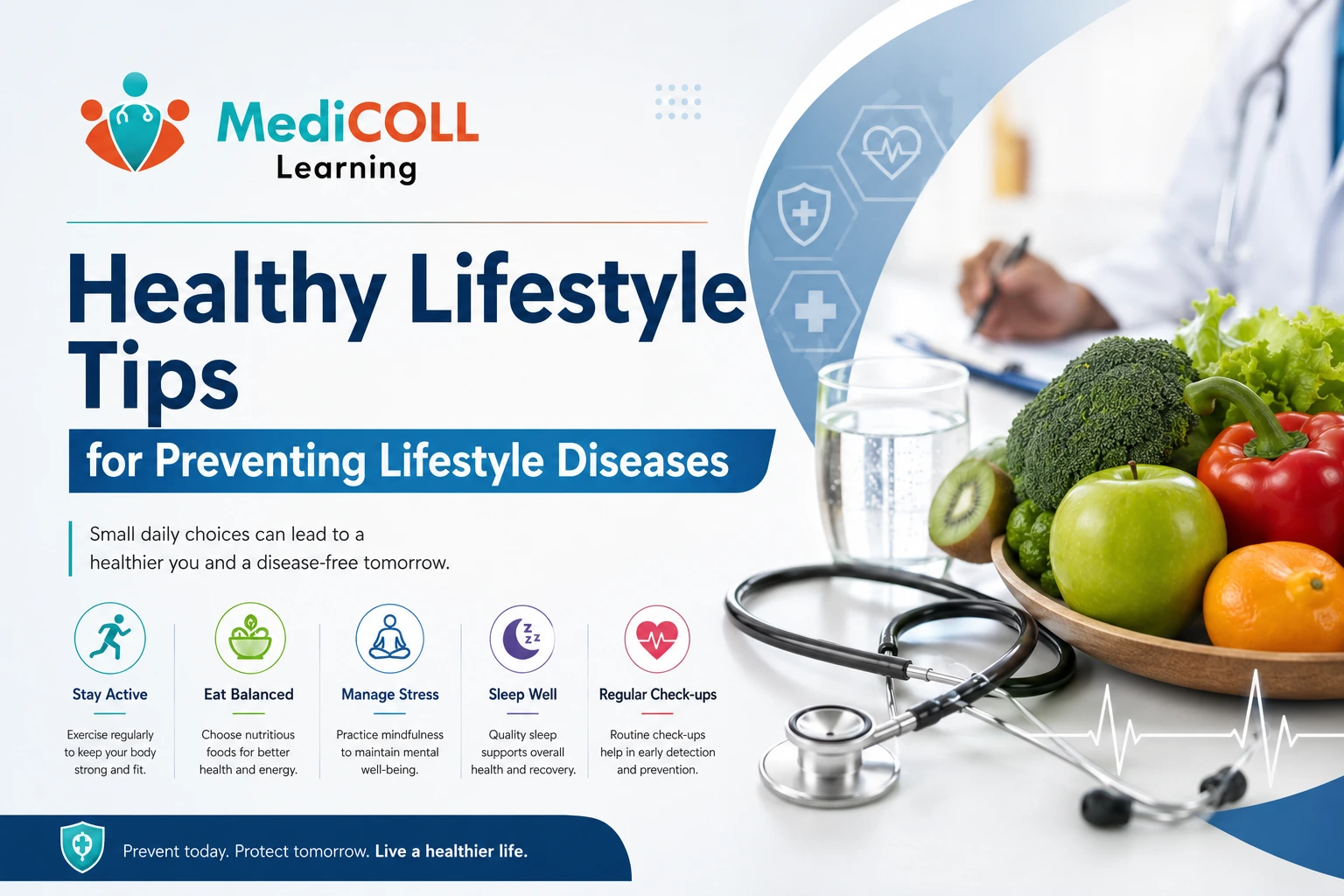
| Lifestyle diseases like heart disease, type 2 diabetes, and obesity are mostly preventable through everyday habits. Healthy lifestyle practices such as following a balanced diet, engaging in regular physical activity, getting adequate sleep, managing stress effectively, and avoiding tobacco and excessive alcohol consumption are proven ways to prevent lifestyle diseases and support long-term health and well-being. |
Healthy lifestyle tips for preventing lifestyle diseases are not complicated. The right diet, regular movement, adequate sleep, and avoiding tobacco and alcohol are the foundation of lasting health.
Around 75% of all deaths globally are caused by noncommunicable diseases. Cardiovascular disease, type 2 diabetes, obesity, and certain cancers now account for the majority of deaths, disabilities, and healthcare costs worldwide. These are not random outcomes but the result of how people live day to day.
Lifestyle diseases are different from infectious diseases as these diseases are built gradually. Years of poor eating, limited physical activity, disrupted sleep, chronic stress, and tobacco or alcohol use gradually wear down the body's systems.
The risk factors behind most lifestyle diseases can be changed through healthy habits. Changing what you eat, how much you move, how well you sleep, and whether you smoke or drink can shift your health trajectory in a meaningful way. These changes are among the most practical ways to prevent lifestyle diseases and avoid serious illness later in life
Lifestyle diseases develop when the body is repeatedly exposed to conditions it cannot sustain over time. Poor diet, physical inactivity, tobacco use, excessive alcohol consumption, inadequate sleep, and chronic stress are the primary drivers.
According to the World Health Organization (WHO), lifelong tobacco smokers lose at least 10 years of life on average. Seven in ten lung cancers in men are linked to tobacco use. Alcohol consumption is causally linked to over 200 health conditions, and about 800,000 deaths per year are attributed to it.
Salt intake is another underappreciated factor. In most countries, daily salt consumption exceeds the WHO recommended maximum of 5 grams per day. High salt intake raises blood pressure, which directly increases the risk of heart attacks, strokes, and heart disease.
Cardiovascular diseases alone cause around 32% of global deaths annually. These numbers call for lifestyle diseases prevention starting with daily habits instead of waiting for symptoms to appear.
A healthy diet for disease prevention does not require a rigid meal plan. It requires consistent attention to what goes on the plate most of the time.
Prioritising vegetables, fruits, whole grains, legumes, and lean proteins gives the body the fiber, antioxidants, potassium, and magnesium it needs for healthy blood pressure, stable blood sugar, and reduced inflammation. Omega-3 fatty acids derived from fatty fish help in lowering triglycerides and support cardiovascular function. Another to add in diet is soluble fiber from oats, lentils, and beans improves cholesterol levels and glycemic control.
As per WHO, restricting the daily intake of sodium at or below 5 grams reduces blood pressure and cardiovascular risk. The risk of atherosclerosis, insulin resistance, and unhealthy weight gain can be reduced by limiting the intake of saturated fats, trans fats, and added sugars decreases the
Drinking water regularly as well as limiting sugary beverages promotes healthy weight management and metabolic function. Sugary drinks are usually without nutritional value and add unnecessary calories that contribute to insulin resistance over time.
Micronutrients including vitamins A, C, D, and E, along with zinc and magnesium also play a role in immune function and overall metabolic health. A varied diet built around whole foods covers most of these needs without supplementation in healthy adults.

Physical inactivity contributes to about 9% of all premature deaths worldwide. Currently, 27% of adults do not meet basic physical activity recommendations, which makes exercise and disease prevention one of the most addressable gaps in public health.
WHO recommends at least 150 to 300 minutes of moderate-intensity aerobic activity per week, or combination of 75 to 150 minutes of vigorous-intensity activity with muscle-strengthening exercises at least twice a week for adults of age between 18 and 64 years. Older adults follow the same guidelines but the focus is more on balance and strength training to prevent falls.
Regular physical activity lowers blood pressure, improves insulin sensitivity, supports healthy weight, increases HDL cholesterol, and reduces systemic inflammation. These benefits touch nearly every major lifestyle disease.
Reducing sedentary time is another important point to consider. Sitting for prolonged periods raises cardiovascular and metabolic risk independently, even in people who meet weekly exercise targets. Steps like taking short movement breaks throughout the day, reducing recreational screen time, and choosing active options like stairs or walking short distances benefit long-term health.
The effect of sleep and emotional health on lifestyle diseases prevention is substantiated. Adults need seven to eight hours of quality sleep each night on average. Sleep supports immune function, regulates hunger hormones, and helps the body reset after the physical and metabolic demands.
Inadequate sleep over a long time increases the risk of type 2 diabetes, obesity, heart disease, and depression. It also makes it harder to maintain other healthy habits for a healthy life, including eating well and staying active.
Chronic stress activates the body's stress response systems which in turn raise blood pressure, promote inflammation, and disrupt hormonal balance. This contributes directly to cardiovascular disease and metabolic dysfunction over a longer period of time.
Managing stress through regular exercise, mindfulness, deep breathing, and maintaining social connections goes a long way in how to prevent lifestyle diseases in the long term.
Tobacco is a harmful substance in every form. Smoked products contain over 7,000 chemicals, at least 250 of which are known to be toxic or carcinogenic. Beyond lung cancer, tobacco use affects nearly every organ in the body and significantly raises the risk of heart disease, stroke, and type 2 diabetes. Quitting tobacco at any age provide health benefits and the body starts responding within weeks of stopping.
Alcohol is a toxic, psychoactive substance and there is no level of consumption that is considered safe for health. It is linked to liver disease, multiple cancers, cardiovascular conditions, and mental health disorders. The more alcohol consumed, the higher the risk across all of these categories. Cutting back as much as possible, or stopping altogether, remains one of the most straightforward lifestyle changes for better health.
Ways to stay healthy naturally often come from small, repeatable actions rather than major lifestyle changes all at once.
These habits do not require significant resources or time. Practiced consistently, they build the kind of healthy habits for a healthy life that make a real difference over the years.
The importance of a healthy lifestyle is often realised only after a diagnosis has already been made. Preventing lifestyle diseases is a daily practice. What you eat, how much you move, how well you sleep, and whether you use tobacco or alcohol all shape your long-term health in ways that accumulate over years.
Practicing all the above mentioned habits are not difficult to understand but the challenge is consistency. Starting with one or two changes and building from there is a practical step toward better health.
Healthy lifestyle tips include eating a balanced diet low in salt and sugar, staying physically active and sleeping seven to eight hours. Furthermore, avoiding tobacco, limiting alcohol, staying hydrated, and managing chronic stress are the most consistently supported steps.
Physical inactivity contributes to about 9% of all premature deaths globally. It raises blood pressure, worsens insulin sensitivity, promotes weight gain, and increases inflammation, all of which are direct risk factors for heart disease, diabetes, and metabolic syndrome.
The majority lifestyle changes for better health are driven by modifiable daily habits. Consistent changes to diet, activity, sleep, and substance use have a lasting impact on disease risk, even when started later in life.
© Copyrights Medicoll All rights reserved.