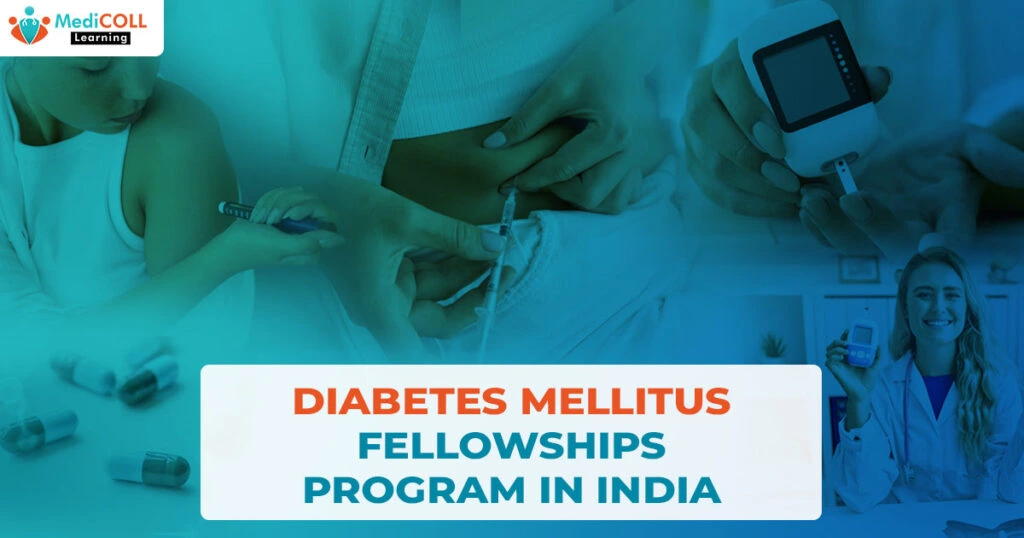
Living with diabetes mellitus can be a challenging journey for individuals diagnosed with the condition as well as their caregivers. The complexities of managing diabetes, along with the emotional and psychological effects it produces, emphasise the need for a strong support system.
Diabetes mellitus is a chronic metabolic disorder affecting millions worldwide and requires a comprehensive and multidisciplinary approach for effective management. This chronic condition occurs when the body cannot produce enough insulin or effectively utilise the insulin it produces. As a result, blood sugar levels rise, leading to various complications such as cardiovascular diseases, neuropathy, and kidney disorders. In the fight against this chronic disease, Fellowship in diabetes mellitus plays a crucial role in promoting collaboration, knowledge exchange, and collective efforts between medical professionals.
The following sections explain the importance of fellowship in diabetes mellitus and highlight how collaborative initiatives can enhance patient care.
Fellowship in diabetes mellitus is an ideal step for medical professionals who wish to advance their careers in this field. The fellowship provides in-depth insights and clinical skills to deliver optimal patient outcomes.
While some institutions offer traditional in-person classes, there are also institutions that offer a hybrid model of fellowship. The hybrid fellowship comprises virtual online classes followed by hands-on clinical training in a super-speciality hospital under the guidance of experienced diabetologists. The hybrid model provides flexibility and accessibility to practising medical professionals to continue their learning journey while working.

The fellowship in Diabetes Mellitus has several advantages. Some of them are below:
Empowerment through Shared Knowledge: Fellowship in diabetes mellitus brings medical professionals together to share their clinical experiences, insights, and practical tips. This exchange of knowledge is invaluable, as it empowers medical professionals to implement the learned knowledge in diabetic patients to make informed decisions about their lifestyle, treatment plans, and overall well-being. Learning from others' experiences can be a powerful tool for managing the complexities of diabetes.
Motivation for Lifestyle Changes: Diabetes also necessitates significant lifestyle modifications, including dietary restrictions, regular exercise, and medication adherence for a patient. Fellowship offers a motivating environment where medical professionals learn about various lifestyle modifications for the prevention of diabetes mellitus. Positive reinforcement within a supportive community, including medical professionals, promotes a sense of accountability and encourages the adoption of healthier habits, contributing to better diabetes management.
Enhanced knowledge and clinical skills: Fellowship provides the knowledge and skills that help medical professionals acquire the clinical competence to deliver the best patient outcomes, as well as grow professionally as an expert in the field. The fellowship also enhances the chances of more career opportunities, such as high-level roles in various settings like academics, research and organisations.
Prevention through Awareness: Fellowship benefits not only those already diagnosed with diabetes but also plays a crucial role in prevention. Community education and awareness programs initiated by fellowships contribute to early detection, encouraging individuals to make lifestyle changes that reduce the risk of developing diabetes. By reaching a broader audience, fellowships become instrumental in advancing proactive diabetes care.
The impact of the Diabetes Mellitus Fellowships program in India is far greater than benefiting the individual practitioners. These programs produce medical experts who can lead research, influence policy, and disseminate knowledge to improve diabetes care globally. As the prevalence of diabetes continues to rise, the need for skilled medical professionals in this field becomes increasingly important.
The future holds promise, with ongoing research into regenerative medicine, precision therapies, and AI-driven interventions that aim to revolutionise diabetes management. However, certain elements like addressing the socioeconomic factors, ensuring equitable access to care, and enhancing public health awareness remain critical objectives.
Diabetes mellitus continues to have numerous challenges, which prompt the need for innovative approaches. Some of the challenges include medication adherence, access to care, health disparities across populations, and the ongoing research for more effective treatments.
However, with ongoing innovations such as continuous glucose monitoring (CGM), artificial pancreas systems, telemedicine for remote patient monitoring, and personalised medicine based on genetic profiling, promising strides are being made in transforming diabetes management.
Fellowship in Diabetes Mellitus emerges as a powerful tool that unites professionals across disciplines, fostering collaboration, knowledge exchange, and collective efforts. By emphasising interdisciplinary approaches, patient-centred care, research collaboration, and ongoing education, fellowship programs play a vital role in improving the lives of those affected by diabetes. As we continue to navigate the challenges posed by diabetes mellitus, embracing the spirit of fellowship will undoubtedly contribute to a brighter and healthier future for individuals living with this chronic condition.
© Copyrights Medicoll All rights reserved.