Family medicine physician is the first point of contact for many individuals and families. However, many people still wonder what does a family medicine doctor do and how their work fits into the healthcare system. Family medicine focuses on long-term care, prevention, and early diagnosis rather than only treating illnesses when they appear.
Below sections explains the responsibilities of family medicine doctors, the types of services they provide, and how their role supports overall health and continuity of care.
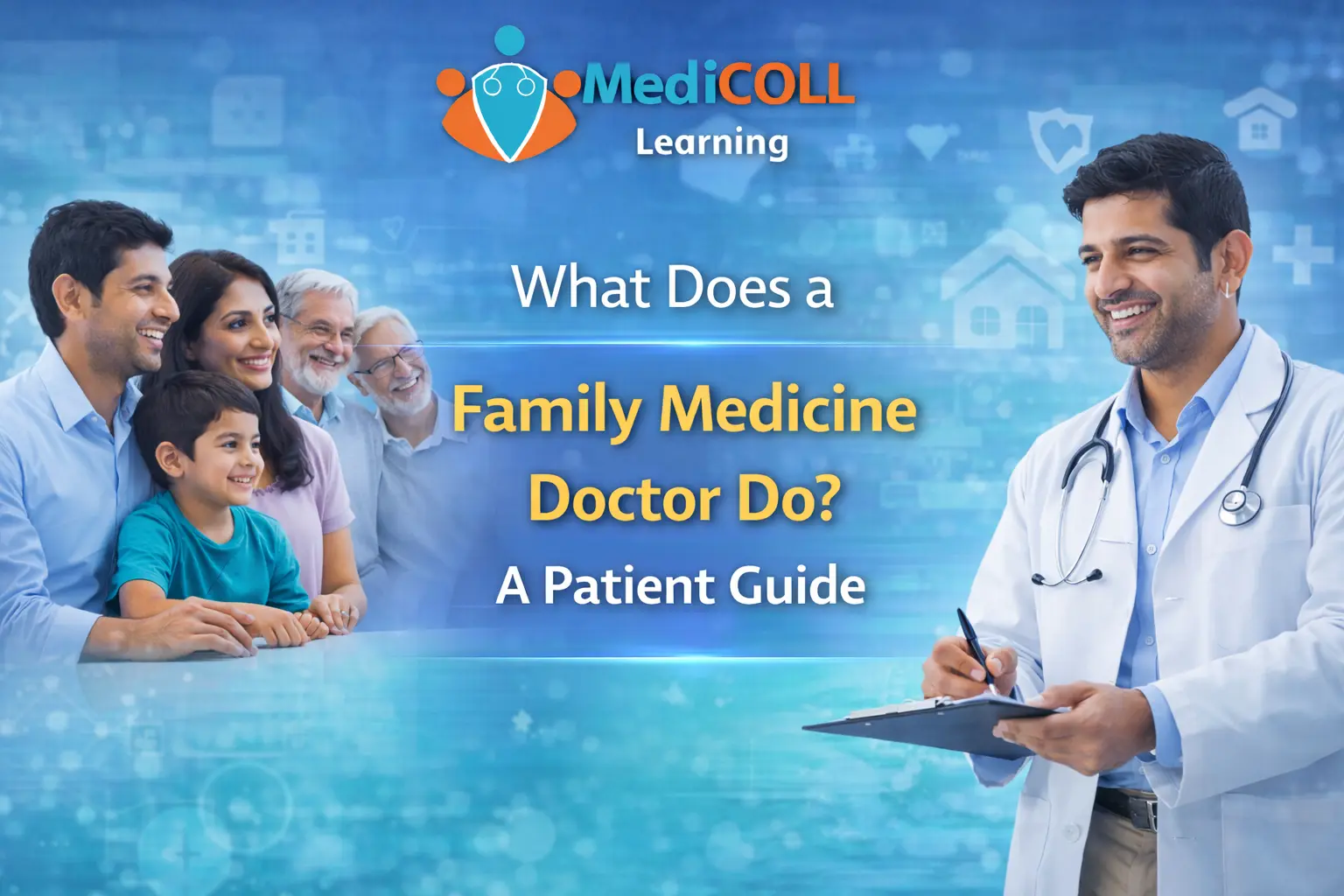
Family medicine is a medical specialty that focuses on primary care and manages an extensive range of medical conditions while also promoting preventive health. The family medicine doctor role involves acting as the initial contact for the individuals and families.
A major aspect of the specialty is continuity of care. Families often follow the physician over many years which allow the physician to understand medical history, lifestyle factors, and family health patterns. This continuity helps in identifying risks early and guiding patients toward appropriate treatment when necessary.
One defining feature of family medicine is the ability to care for people across all age groups. This approach is often referred to as comprehensive primary care which means that the physician evaluates the patient’s health as a whole rather than focusing on a single condition.
Family medicine physicians provide care for a wide range of health concerns. This may include treating common infections, monitoring adult health conditions, providing pediatric care, and guiding older patients who are managing chronic illnesses.
Preventive healthcare is a central component of family medicine Family physicians aim to reduce the risk of disease through early detection and regular health monitoring. Preventive care family physician services involve routine screenings such as blood pressure checks, and cancer screening recommendations. Vaccinations also fall under preventive care. Family physicians often guide patients through recommended immunization schedules and provide advice on maintaining healthy lifestyle habits.

Chronic conditions such as hypertension and diabetes mellitus often need long-term management rather than short-term treatment. One of the key family physician responsibilities is helping patients manage these chronic conditions over time. This includes monitoring symptoms, adjusting medications, and recommending lifestyle changes that support long-term health. Family medicine physicians also coordinate with specialists when necessary.
Family medicine covers a broad range of healthcare needs that includes different age groups. Physicians in this field provide services tailored to children, adults, and older individuals. These family doctor services may include childhood health check-ups, vaccinations, reproductive health guidance, and routine screening tests for adults. Because family physicians treat multiple members of a household, they are often well positioned to recognize shared health risks and recommend early screening.
Early detection is an important part of effective healthcare. Family medicine physicians often identify medical problems during routine check-ups or when evaluating symptoms. The primary care physician role includes recognizing early warning signs of medical conditions. Regular monitoring and laboratory testing helps in identify the early warning signs of the disease. Continuous follow-up also helps track changes in a patient’s health.
Patients often visit their family doctor when experiencing sudden symptoms that require prompt evaluation. In many cases, family physicians provide primary care medical services such as initial assessment, diagnosis, and treatment. However, when advanced care is required, they guide patients toward emergency departments or specialist care. Their familiarity with the patient’s medical history can be helpful in determining the urgency of the situation.
Benefits of a family medicine doctor are:
Family medicine is one of several specialties that provide primary healthcare. Understanding the difference between family medicine doctor and general practitioner can help patients make informed healthcare decisions. Family medicine physicians have structured training in treating patients of all ages while general practitioners may have various medical training backgrounds. Another distinguishing factor is the scope of care. Family medicine often emphasizes continuity, prevention, and coordinated care rather than focusing on a particular age group or type of illness.
Selecting a healthcare provider is an important decision for individuals and families. The right physician should be experienced in providing family healthcare services while also being attentive to the patient needs. Many people when choosing a doctor consider factors such as qualifications, accessibility and experience in providing care. However, a family medicine physician understands the medical history of family members can often provide more informed advice and long-term health monitoring.
A family medicine doctor is a primary care physician who provides complete healthcare services to all age groups. The doctor diagnoses and manages various diseases, as well as guide patients in preventive health practices.
Services provided by family physician include routine check-ups, preventive screenings, treatment of acute and chronic illnesses and health guidance for individuals and families.
Patients usually visit a family medicine doctor for annual check-ups, when you are sick, for managing chronic conditions (like diabetes or hypertension), to receive vaccinations, and for general health screenings.
Yes. Family physicians manage chronic conditions such as hypertension and diabetes mellitus and also coordinate care with specialists when advance management is necessary.
Both provide primary healthcare however their training may differ. Family medicine physicians receive specialized training in comprehensive care across all age groups.
Yes. Preventive healthcare is an important aspect of family medicine and includes routine screenings, vaccinations, and lifestyle counseling.
Having a family medicine doctor is beneficial because they provide holistic and personalized care for patients of all ages, coordinate specialist referrals, and prevent disease. This continuity reduces ER visits and manages chronic conditions.
© Copyrights Medicoll All rights reserved.