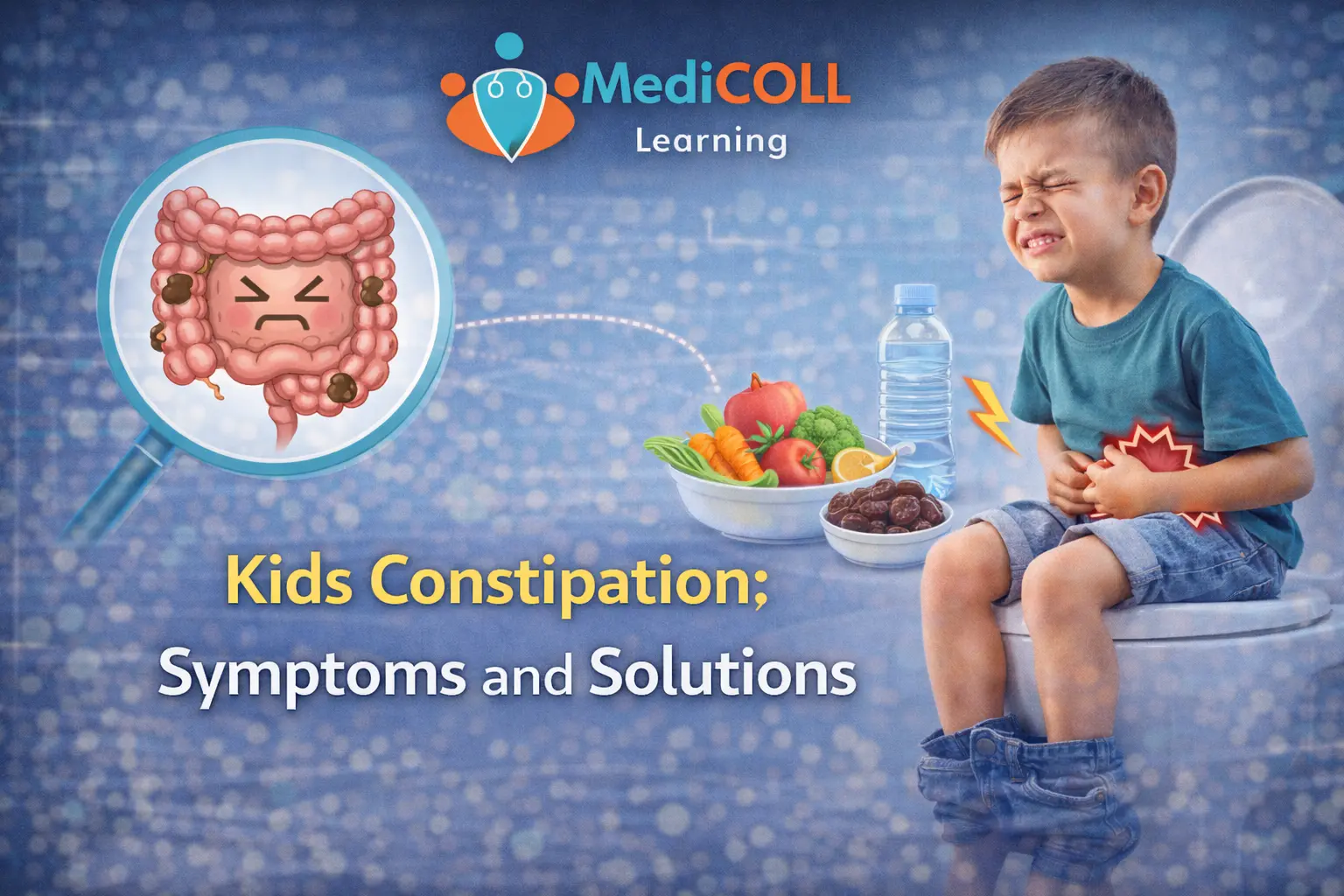
Child constipation serves as a widespread digestive problem which impacts all three age groups of infants, toddlers and school-age children. Parents experience distressful feelings whenever their child shows either infrequent bowel movements or experiences painful bowel movements. Persistent constipation in kids needs medical assessment because their condition has the potential to reveal serious medical conditions.
Parents who understand constipation symptoms in children, their causes and available treatment options will achieve better outcomes through their condition management. Parents who give their child timely medical treatment and appropriate care will help improve their child's medical condition and digestive health.
Pediatric constipation describes a condition in which children experience bowel movements that occur less frequently and result in stool that is difficult to pass and causes them pain. A child may pass stool fewer than three times a week or struggle during defecation.
Children between the ages of one and three experience Constipation in toddlers during toilet training, dietary changes and when their daily activities change. The condition requires treatment because it can progress into chronic constipation in children which affects children's ability to eat, their emotional state and their daily life activities.
The causes of constipation in children vary because children may experience constipation due to their insufficient fiber intake their inadequate fluid intake their stool retention caused by fear or pain their reduced physical activity their unexpected dietary changes their emotional distress, and their specific pharmaceutical treatments. In some cases physicians need to identify constipation triggers because the triggers lead to two different conditions which need proper management and effective treatment.
Recognizing the symptoms of constipation in children helps in early intervention. Common signs include:
Hard, dry stools
Infrequent bowel movements
Painful bowel movements in child
Abdominal bloating
Straining during defecation
Irritability
Stool leakage in severe cases
Lasting over several weeks, this might be a sign of chronic constipation in children and call for medical advice.
Mild childhood constipation can often be managed at home through simple remedies which include increasing fiber-rich foods such as fruits and vegetables together with encouraging water consumption, establishing consistent bathroom routines, executing daily exercise and providing warm baths to ease muscle tension. The methods provide effective treatment solutions for constipation in kids. The method requires professional evaluation when symptoms continue or become more severe because this assessment helps identify underlying health problems.
The Pediatric constipation treatment depends on the severity of the case. Physicians will prescribe stool softeners and mild laxatives, dietary modifications and behavioral therapy, and the treatment of underlying medical conditions.
The medical intervention process has three main objectives which focus on relieving patient discomfort, restoring their normal bowel function and stopping future medical episodes. Parents should treat their child's constipation problem because untreated cases will result in lasting bowel issues which will harm their child's overall digestive system health.
Parents should know when to see a doctor for child constipation. Seek medical attention if:
There is blood in the stool
Severe abdominal pain occurs
Vomiting accompanies constipation
The child loses weight
Constipation lasts more than two weeks
The early consultation allows the exclusion of serious pediatric bowel disorders and thus guarantees the correct treatment.
Healthy habits are an effective method of the prevention of health problems. The risk of constipation in kids decreases when they follow a diet which includes fiber and drink enough water, and engage in physical exercise. The establishment of a regular bathroom schedule helps children maintain their bowel health. The preventive care measures are more worthy of children with a history of chronic constipation in children.
A diet education to patients; hence, a physician may prescribe both laxatives and stool softeners. Doctors use diagnostic tests in specific situations to eliminate the possibility of finding structural abnormalities or pediatric bowel disorders. The implementation of early treatment establishes a protective barrier against two medical issues which include fecal impaction and recurring discomfort.
Particularly in the course of growth, constipation in toddlers and infants for the obvious reason that constipation is such a common condition. Bowel patterns change when infants transition from breast milk to formula and when they start eating solid foods. Toilet training impacts childhood constipation because it serves as an essential factor which controls the condition. Most cases resolve with dietary changes and reassurance.
|
Aspect |
Details |
|
Common Age Group |
Toddlers and school-age children |
|
Main Causes |
Low fiber, dehydration, stool withholding |
|
Key Symptoms |
Hard stool, painful bowel movements in child |
|
Home Remedies |
Fiber-rich diet, hydration, physical activity |
|
Medical Treatment |
Stool softeners, laxatives, doctor supervision |
|
When to See Doctor |
Blood in stool, severe pain, persistent symptoms |
Early detection of child constipation enables successful treatment because it represents a treatable medical condition. Experience occasional constipation in kids which is a normal occurrence, yet their ongoing symptoms need medical evaluation.
Pediatric constipation treatment needs to start after parents learn which factors cause their child's constipation, which symptoms to watch for and which proper treatment methods to use.
The body needs its essential elements which include proper hydration and balanced nutrition together with regular physical activity to reach its peak health condition.
Your child needs medical attention when their constipation symptoms continue without improvement because this process protects their health and comfort.
© Copyrights Medicoll All rights reserved.